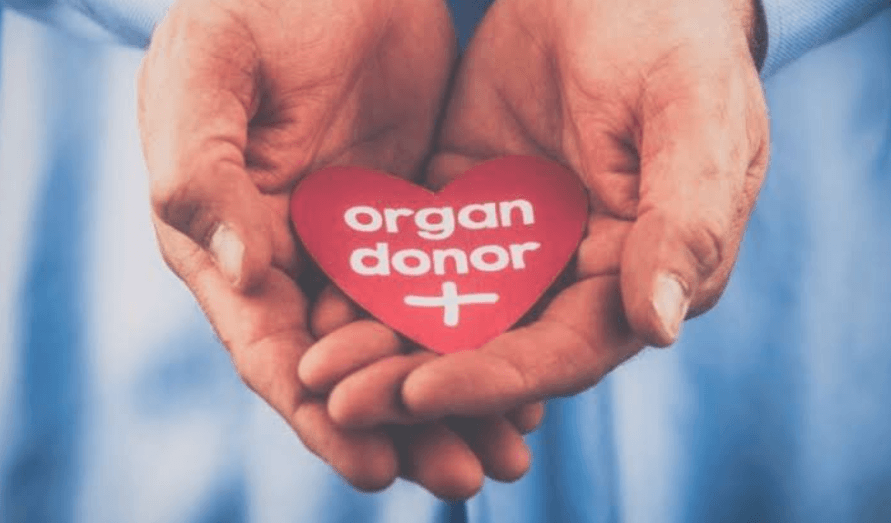
When people think about making a difference after they pass away, organ donation is often the first option that comes to mind. Many people register as organ donors when renewing a driver’s license or signing up online. In fact, more than 170 million adults have registered, about 60% of the U.S. adult population.
If you’re reading this, there’s a pretty good chance you’re already a registered organ donor. You may not, however, be aware that there are other ways you can help save lives. Whole-body donation helps educate future healthcare professionals, train surgeons, and advance medical research — all ways that can impact future generations of patients.
How many people donate their body to science compared to organ donation? We’ll explain the differences between being an organ donor vs. donating your body to science to help you make the right decision for you when it comes to end-of-life arrangements.
What Is the Difference: Organ Donor vs Donating a Body to Science
Although both are generous gifts, organ donation and whole-body donation serve different purposes within healthcare.
Organ Donation Saves Lives Through Transplantation
Organ donation involves recovering organs and certain tissues for transplantation into patients who need them. Donated kidneys, hearts, lungs, livers, and other organs can help save lives or significantly improve the quality of life for recipients. In fact, it’s said that one donor can provide organs for up to eight patients.
However, because transplanted organs must remain viable, organ donation occurs under very specific medical circumstances. This typically means someone has to already be in a hospital, typically in an ICU and on a ventilator, to keep organs functioning while waiting for a transplant. As such, fewer than 1% of organ donors are viable at the time of death.
Whole-Body Donation Advances Medical Science
While organ donation can meet urgent needs, whole-body donation takes a more holistic view of advancing medicine. Rather than helping a single recipient, whole-body donation can contribute to medical knowledge that benefits countless future patients.
How many people donate their body to science? Annually, only about 26,000 people make this anatomical gift, far short of the urgent need. While only a small percentage of registered organ donors will actually donate their organs when the time comes, nearly all adults can become whole-body donors and make this important contribution.
Timing, Eligibility, and Financial Relief
One of the biggest differences between organ donation and whole-body donation involves timing and medical eligibility.
With organ donation, the donor must suffer brain death or a non-survivable brain injury while on artificial life support in a hospital. This ensures that oxygen-rich blood continues to pump through the organs right up until the moment of recovery, keeping them viable for another human body. Organs are only viable for a short window before they start to decline.
With whole-body donation, artificial life support is not required. So, donors who pass away at home, hospital, or elsewhere are still viable. Timing is still important, but less so than with organ donation. If the body is properly cared for after passing, it can be safely transported and utilized for medical study over a much longer period.
For some families, whole-body donation also provides a significant benefit. When you look at how many people donate their body to science, one reason is the high cost of funeral services. United Tissue Network covers 100% of the costs for transportation, coordination, and cremation for whole-body donors. Families benefits from know their loved one’s passing is helping advance medical science and from receiving free cremation in return.
See also: Health Insurance in India: Benefits & Top Providers
Can You Be an Organ Donor and Donate Your Body to Science?
You can register to be both an organ donor and whole-body donor. When the time comes, organ donation is prioritized for life-saving transplants. If organ donation is not viable, the focus will shift to body donation.
Which Option Is Right for You?
There is no single right answer when comparing organ donor vs donating a body to science. Both options represent meaningful ways to help others after death. If you are interested in supporting medical education, research, and healthcare innovation, whole-body donation may be worth exploring further.
United Tissue Network is a nonprofit organization that helps connect donors with medical research and educational programs. To learn more about the process or start your registration, visit United Tissue Network and discover how your gift can help advance the future of medicine.