Functional training has become a pivotal approach in the fitness world, focusing on movements that mimic everyday activities. This training methodology emphasises exercises that enhance strength, stability, and mobility in a way that directly benefits practical, real-life tasks. Understanding how to structure and follow a functional training program is essential for achieving optimal fitness.
Understanding Functional Training
Functional training is designed to improve the body’s ability to perform daily activities with ease and efficiency. Unlike traditional weight training, which often isolates muscle groups, functional training engages multiple muscles and joints simultaneously. This approach improves coordination, balance, and core strength, offering a holistic benefit to physical health.
See also: Healthy Habits That Can Reduce Lifestyle Diseases
Principles of Functional Training
The core principles of functional training revolve around replicating natural movement patterns. It involves exercises that challenge the body’s stability, strength, and mobility through multi-joint, multiplanar movements. This integrated approach helps enhance neuromuscular control and promotes better posture and injury prevention.
Multi-Joint Movements
Exercises in functional training typically involve more than one joint and muscle group, such as squats, lunges, and push-pull movements. This mimics activities like lifting, bending, and reaching, which are common in daily life.
Balance and Stability
Improving balance and stability is a central aspect of functional training. By incorporating unstable surfaces or unilateral exercises, individuals can activate deeper muscle groups responsible for joint stability.
Core Engagement
The core muscles support almost every movement the body performs. Functional training places significant emphasis on strengthening this area to provide a solid foundation for all other exercises and activities.
Benefits of a Functional Training Program
A well-designed functional training program offers a range of benefits. These extend beyond improved athletic performance to enhancing daily function and quality of life.
Improved Movement Efficiency
Functional training enhances the efficiency and smoothness of everyday movements. By training in ways that simulate real-world activities, the body adapts to perform tasks more effortlessly.
Injury Prevention
By focusing on correct movement patterns and strengthening stabiliser muscles, functional training reduces the risk of injuries. It is particularly beneficial for people recovering from injury or managing chronic conditions.
Enhanced Strength and Endurance
Functional exercises develop muscular strength and cardiovascular endurance simultaneously. This dual benefit is crucial for prolonged physical activity and maintaining energy throughout the day.
Better Balance and Coordination
The emphasis on balance, proprioception, and coordination leads to improved body awareness. This reduces falls and improves performance in sports and daily tasks.
Designing an Effective Functional Training Program
Creating a functional training programme requires consideration of individual goals, physical capabilities, and lifestyle. A personalised approach ensures targeted progress and minimises potential setbacks.
Assessment and Goal Setting
Before commencing a functional training regime, it is important to assess current fitness levels and functional limitations. Setting clear, achievable goals helps guide the programme structure and ensures consistent motivation.
Exercise Selection
Choosing the right exercises is critical. Incorporating fundamental movement patterns such as squatting, hinging, pushing, pulling, and twisting creates a balanced routine. Including multi-planar and unilateral exercises enhances overall functionality.
Progressive Overload
Progression is vital to continued improvement. Gradually increasing resistance, complexity, or volume challenges the body to adapt and grow stronger while preventing plateaus.
Incorporating Mobility and Stability Work
A comprehensive programme integrates mobility drills and stability exercises to complement strength work. This combination ensures joints remain healthy and movement quality is upheld.
Rest and Recovery
Allowing adequate recovery between sessions supports muscle repair and prevents overtraining. Including rest days or active recovery promotes sustained progress.
Popular Functional Training Exercises
Several exercises form the foundation of functional training routines. These movements replicate real-world actions and stimulate multiple muscle groups.
Squats
Squatting trains the lower body and core while improving hip and ankle mobility. It simulates actions like sitting and lifting, making it invaluable for functional strength.
Deadlifts
Deadlifts emphasise posterior chain strength and teach proper lifting mechanics crucial for everyday tasks that involve bending and lifting objects.
lunges
Lunges improve unilateral lower body strength and balance. They mimic stepping and stabilising movements important for walking and climbing stairs.
Push-Ups and Pull-Ups
These upper body exercises enhance the strength and coordination needed for pushing and pulling movements encountered in daily life.
Rotational Movements
Incorporating twists and rotation exercises improves core strength and spinal mobility, supporting activities such as turning and reaching.
Training Tools and Equipment
While functional training can be performed with bodyweight alone, certain equipment can elevate the effectiveness of the programme.
Free Weights
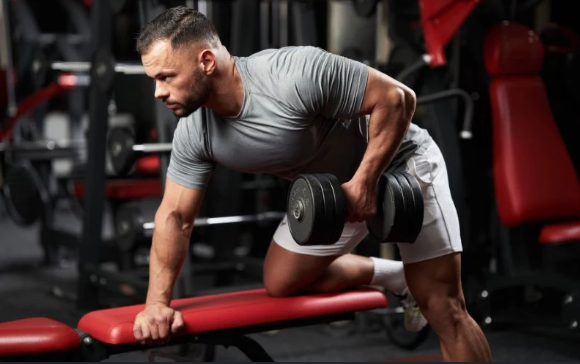
Dumbbells and kettlebells offer versatility and challenge stabiliser muscles through dynamic movements.
Stability Balls and Bosu Balls
These tools introduce instability, forcing the body to engage core and balance muscles continuously.
Resistance Bands
Bands provide variable resistance throughout the movement and aid rehabilitation processes.
Medicine Balls
Medicine balls are useful for explosive, rotational, and dynamic exercises that mimic sport-specific or daily actions.
Conclusion
Adopting a functional training approach offers a well-rounded path to improved fitness and daily performance. A thoughtfully designed functional training program provides the tools to build strength, stability, and mobility in a way that enhances overall quality of life. By focusing on natural movement patterns and integrating strength with balance and endurance, individuals can minimise injury risk and achieve long-term health benefits.
Mastery of functional training requires commitment, consistency, and an understanding of its principles and techniques. With guidance and a structured programme, optimal fitness and improved function are attainable goals for people of all fitness levels.