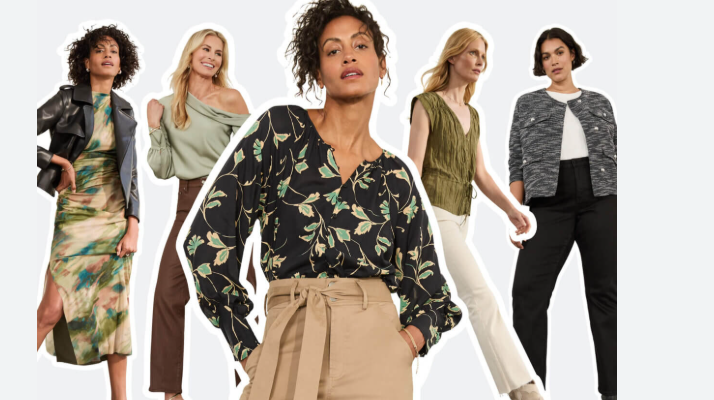
Two people can buy the exact same dress and have it look completely different — not because of size, but because of proportions. That’s the whole secret behind dressing well: it isn’t about hiding anything, it’s about balance. Once you know your figure, you can choose cuts that flatter your natural lines instead of fighting them. This guide covers the main body shapes, what suits each one, and what to steer clear of, so you can shop with confidence.
Start by Knowing Your Shape and Type
Before any style advice can help, you need an honest read on your proportions — and that comes from measurements, not guesswork. Body shape is decided by how your bust, waist, and hips relate to one another, which sorts you into a figure like hourglass, pear, apple, or rectangle.
The quickest way to pin it down is to work out your silhouette from four measurements, and to identify your body type for the bigger-picture read on your frame. With those two results in hand, the rest of this guide becomes a simple lookup — find your shape below and follow the cues.
Hourglass — Play Up the Waist
The hourglass has a bust and hips that are close in size with a clearly smaller waist. Your figure is already balanced, so the goal is simply to show off that natural waist rather than swamp it.
- Wear: Wrap dresses, belted coats, high-waisted bottoms with tucked-in tops, and fitted (not baggy) silhouettes.
- Avoid: Boxy, shapeless, or oversized cuts that hide your waist — your best feature.
Pear (Triangle) — Balance the Top and Bottom
In a pear shape the hips are noticeably wider than the bust, with a defined waist. The aim is to draw the eye upward and add a little visual weight to the shoulders so the top and bottom look balanced.
- Wear: Off-shoulder and boat necklines, puff or statement sleeves, structured blazers, and A-line or bootcut bottoms in darker tones.
- Avoid: Tight pencil skirts, cargo pants with big hip pockets, and pale bottoms that pull attention to the hips.
Apple (Inverted Triangle) — Create a Waistline
The apple, or inverted triangle, carries more width up top — broader shoulders and bust with a less defined waist and slimmer hips. The trick is to create the illusion of a waist and add gentle width lower down.
- Wear: Empire-waist and wrap styles, V-necklines, straight or slightly flared trousers, and A-line skirts that add shape below.
- Avoid: Boat necks and horizontal stripes across the chest, plus clingy midsection styles.
Rectangle — Build in Curves
The most common shape of all, the rectangle has bust, waist, and hips within a few inches of each other, creating a lean, straight line. Here the goal is to add definition and the illusion of curves.
- Wear: Peplum tops, ruffles, belted styles, cropped jackets over high-waisted bottoms, and bold prints or textures for dimension.
- Avoid: Straight column dresses with no waist definition, which can read as one flat line.
The One Rule Behind All of It
Every tip above comes back to a single principle: use clothing to create balance around your waist. Emphasize it if you have it, suggest it if you don’t, and draw the eye toward the areas you want to highlight. That’s why body-shape dressing is genuinely size-agnostic — the same guidance for a pear works whether you’re a size 6 or a size 22, because it’s built on proportions, not numbers on a tag.
A Quick Word on Measuring
Because everything here depends on knowing your real shape, take a moment to measure properly. Use a soft fabric tape, wear minimal clothing, stand naturally without holding your breath, keep the tape level, and measure your waist at its narrowest point. Measure twice and average the results — a single inch of error can shift you into a different category and change the advice that fits.
The Bottom Line
Dressing well isn’t about rules for hiding — it’s about choosing clothes that work with your natural proportions. Find your shape and type first, follow the cues for your figure, and lean on the one golden rule of balancing the waist. Do that, and shopping stops being a guessing game: you’ll know before you even try something on whether it’s going to work for you.