Lymphatic drainage is a specialised therapeutic technique designed to encourage the natural drainage of the lymph, which carries waste products away from the tissues and back towards the heart. This process is essential for maintaining a healthy immune system and promoting overall wellbeing. A lymphatic drainage course provides comprehensive training for health professionals and practitioners to master effective methods of this unique treatment.
Understanding Lymphatic Drainage
The lymphatic system is a vital part of the body’s immune defence and fluid regulation. It consists of a network of lymph vessels, nodes, and organs that work together to remove toxins, waste, and excess fluid from bodily tissues. When this system is impaired, it can lead to conditions such as lymphedema, inflammation, and general fatigue.
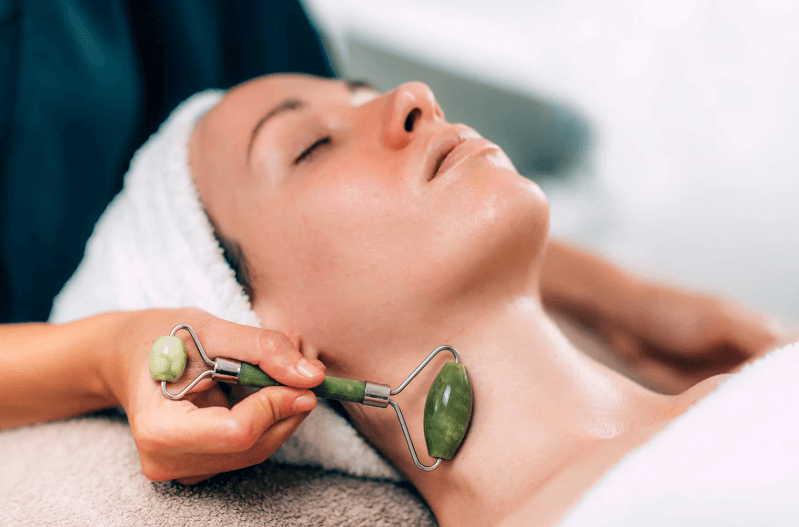
Lymphatic drainage therapy involves gentle, rhythmical massage techniques aimed at stimulating the lymph vessels to enhance lymph flow. This process supports detoxification and has been increasingly recognised for its therapeutic benefits in various medical and cosmetic applications.
See also: Is Lifeguarding Right For You? A Look Behind the Whistle
Who Can Benefit from Lymphatic Drainage?
Individuals suffering from lymphatic congestion, post-surgical swelling, venous insufficiency, or those undergoing cancer treatments may find lymphatic drainage highly beneficial. Additionally, people interested in improving their skin health, boosting immune function, or seeking relaxation therapy can benefit from these techniques.
A professional lymphatic drainage course equips practitioners with the skills to identify patient needs accurately and apply appropriate treatment protocols to enhance health outcomes.
Advantages of Undertaking a Lymphatic Drainage Course
Completing a lymphatic drainage course offers several significant benefits for health professionals and complementarists. First, it increases the practitioner’s scope of practice by adding a specialised therapeutic modality. This expanded capability can attract a broader client base and increase professional credibility.
The course also promotes understanding of anatomy and physiology specific to the lymphatic system, ensuring treatments are safe and effective. Practitioners learn to customise sessions according to individual patient conditions, making their interventions more impactful.
Moreover, the certification gained upon completion serves as formal recognition of competency, which can be an asset for employment or private practice opportunities.
Core Techniques Taught in a Lymphatic Drainage Course
Training typically centres around a series of manual techniques designed to stimulate lymph movement. These include stationary circles, pump technique, rotary technique, and scooping – all performed with light, rhythmic pressure to avoid compressing the lymph vessels.
Students develop an understanding of lymphatic anatomy, including key drainage pathways, nodal regions, and contraindications for treatment. Recognising conditions such as acute inflammation or heart failure is crucial, as these require careful management or referral rather than lymphatic massage.
Structure and Curriculum of the Course
A comprehensive lymphatic drainage course often encompasses both theoretical and practical elements. Theory covers the physiological and pathological aspects of the lymphatic system, indications and contraindications for therapy, and integration with other treatment modalities.
Practical sessions provide hands-on experience in applying drainage techniques, allowing participants to refine their skills under expert supervision. The curriculum may also include case studies and client management strategies to prepare practitioners for real-world clinical settings.
Who Should Enrol in This Course?
The course is ideal for massage therapists, physiotherapists, osteopaths, nurses, and other health practitioners seeking to broaden their therapeutic repertoire. It also suits those specialising in oncology rehabilitation, sports therapy, and wellness coaching.
By completing a lymphatic drainage course, these professionals can offer targeted treatment options aimed at improving lymphatic function and patient recovery.
Health Benefits Associated with Lymphatic Drainage
Lymphatic drainage therapy has a range of health benefits. It can reduce swelling and oedema, aiding recovery after surgery or injury. The stimulation of the lymphatic system supports detoxification processes, potentially enhancing skin appearance and reducing cellulite.
Furthermore, lymphatic drainage may alleviate symptoms related to chronic fatigue, sinus congestion, and immune system deficiencies by improving lymph flow and reducing fluid retention. Many patients report increased relaxation and decreased stress following treatment, contributing to improved mental health.
Scientific Support and Clinical Applications
Research highlights the efficacy of lymphatic drainage in the management of lymphedema, particularly when combined with other therapies such as compression garments and exercise. The technique’s gentle approach makes it suitable for vulnerable populations, such as post-mastectomy patients.
Ongoing studies aim to explore further benefits, including its positive effects on inflammatory conditions and circulatory health, supporting the growing recognition of lymphatic drainage in integrative health care.
Considerations and Best Practices
While lymphatic drainage is generally safe, competent delivery requires professional training. Practitioners must perform thorough assessments to identify contraindications, ensuring patient safety.
Consistent hygiene and appropriate pressure application are fundamental to avoid complications. Incorporating adjunctive therapies and personalised treatment plans enhances outcomes.
Choosing the Right Training Provider
Selecting a reputable provider for a lymphatic drainage course is crucial. Accreditation, qualified instructors, and a comprehensive curriculum contribute to effective learning experiences. Practical hands-on training combined with evidence-based instruction ensures competency.
Conclusion
Enrolling in a lymphatic drainage course presents a valuable opportunity for healthcare and wellness professionals to enhance their skill set and improve patient care. This specialised training offers an in-depth understanding of the lymphatic system and equips practitioners with effective techniques to promote lymphatic health.
The knowledge gained supports the treatment of various conditions, encouraging detoxification, reducing swelling, and boosting immunity. For those seeking professional growth and the ability to provide holistic therapeutic services, a lymphatic drainage course is a worthwhile investment.