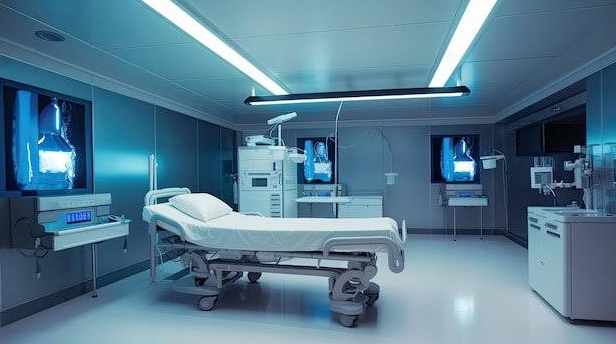
When developing or upgrading healthcare facilities, selecting an appropriate hospital fitout company is a critical decision. The quality of the fitout directly influences the functionality, safety, and efficiency of the healthcare environment. Given the unique requirements of hospitals compared to other buildings, a specialised approach to fitout is necessary.
Understanding Hospital Fitouts
A hospital fitout encompasses the design, construction, and installation of internal spaces within a healthcare facility. This includes patient rooms, operating theatres, diagnostic laboratories, waiting areas, administrative offices, and support spaces. Each area demands meticulous planning to ensure compliance with health regulations, infection control standards, and ergonomic considerations for staff and patients.
See also: Healthy Habits That Can Reduce Lifestyle Diseases
Importance of Professional Expertise in Healthcare Fitouts
Not all construction companies have the expertise required for healthcare projects. Hospitals operate under stringent regulations and standards concerning hygiene, safety, and accessibility. Therefore, a hospital fitout company must have specialised knowledge in topics such as medical gas installations, ventilation systems, medical equipment integration, and materials that reduce bacterial growth.
Regulatory Compliance in Hospital Fitouts
Healthcare facilities need to meet rigorous building codes and health regulations. These codes often vary by region but consistently address critical issues like fire safety, accessibility for patients with disabilities, and safe disposal of medical waste. A reputable hospital fitout company will be well-versed in local rules and international healthcare standards to deliver compliant environments.
Design Considerations for Healthcare Facilities
Designing hospital spaces requires balancing functional efficiency with patient comfort and safety. For example, operating rooms must have sterile environments with smooth surfaces that allow for easy cleaning, while patient rooms should promote healing through natural light and noise reduction. Expertise in healthcare architecture is essential to achieve these goals.
Impact on Patient Care and Staff Productivity
The right fitout can significantly influence patient outcomes and staff efficiency. Well-designed spaces reduce travel distances for healthcare workers, improve communication, and enhance infection control processes. This contributes to reduced errors, improved patient satisfaction, and better overall care delivery.
Evaluating a Hospital Fitout Company
When choosing a hospital fitout company, healthcare administrators must consider several key factors. First, the company’s track record in delivering healthcare projects demonstrates its reliability and understanding of specialized requirements. Portfolio reviews and client testimonials can provide valuable insights.
Technical Expertise and Innovation
The healthcare sector continuously evolves with new technologies and medical practices. Fitout companies must keep up to date with innovations such as telemedicine infrastructure, advanced medical equipment, and energy-efficient systems. A company committed to innovation can future-proof healthcare facilities to adapt to changing needs.
Project Management Capabilities
Successful fitouts require seamless coordination between designers, medical equipment suppliers, construction teams, and hospital staff. A hospital fitout company with strong project management skills can ensure timely delivery while minimising disruption to hospital operations.
Experience with Infection Control Measures
Hospital environments must prioritise infection control to prevent healthcare-associated infections. Fitouts should incorporate materials and designs that reduce contamination risks. Experienced companies understand how to integrate features such as antimicrobial surfaces, appropriate airflow patterns, and hand hygiene stations.
Cost Considerations in Hospital Fitouts
While budgets are an important consideration, the lowest cost option may not offer the best value. A hospital fitout company that provides quality assurance and long-term durability will save costs related to maintenance and repairs. The focus should be on the overall lifecycle cost rather than initial expenditure alone.
Customisation and Flexibility
Healthcare facilities vary widely in their services and patient populations. A reliable fitout company will offer customised solutions that address specific operational needs. Flexibility in design also allows for future modifications as healthcare demands evolve.
Sustainability in Hospital Fitouts
Energy efficiency and sustainability are increasingly important considerations in hospital design. Sustainable building materials, water-efficient fixtures, and green energy systems reduce environmental impact and operating costs. Choose a fitout company with a strong commitment to sustainable construction practices.
Communication and Collaboration
Effective communication between healthcare providers and the fitout company ensures that the finished environment meets clinical requirements. Collaborative planning sessions and regular progress updates facilitate transparency and dispute prevention.
Post-Project Support and Maintenance
An essential aspect of ongoing hospital operations is maintenance support after project completion. The chosen fitout company should offer assistance with repairs, upgrades, and compliance audits to keep facilities functioning optimally.
Conclusion
Selecting the right hospital fitout company is a pivotal step in creating healthcare environments that promote safety, efficiency, and patient well-being. By focusing on specialised expertise, regulatory compliance, design innovation, and strong project management, healthcare administrators can ensure successful fitout projects. Engaging an experienced hospital fitout company facilitates the development of cutting-edge, sustainable healthcare facilities equipped to meet current and future needs.