Moving home is an exciting milestone, but it comes with its fair share of logistical challenges. Among the heaviest and most complex appliances to relocate, the washing machine deserves special attention. Get it wrong and you risk a damaged drum, broken suspension rods, or water leaking through your belongings in transit. Get it right, and your machine will be spinning perfectly in your new home within hours of arrival. Here’s everything you need to know.
Plan Your Move Before You Touch a Single Hose
Good preparation starts well before moving day. Before you even think about disconnecting hoses, take stock of everything you need to move and map out a realistic plan. A move calculator is a handy tool for this stage — it helps you estimate the time, cost, and effort involved in relocating all your large appliances at once, including your washing machine, dryer, fridge, and oven. Knowing the full scope of your appliance move upfront means fewer surprises on the day and a much smoother overall experience.
Once you have a clear picture of what’s involved, consider whether you’ll need professional help. Washing machines typically weigh between 60 and 90 kilograms and require specialist equipment to move safely. A trusted removalist takes the guesswork out of heavy lifting entirely.
Step 1: Run a Final Empty Wash Cycle
Start by running a short, hot, empty wash cycle. This flushes out detergent residue, lint, and any trapped moisture from inside the drum and pipes. Once the cycle finishes, leave the door open for several hours to allow the interior to air dry completely. Trapped moisture during a move creates the perfect conditions for mould and mildew — a problem you definitely don’t want greeting you when you unpack.
Step 2: Disconnect the Power
Unplug the machine from the wall and coil the power cord neatly. Tape it securely to the back of the machine so it doesn’t drag on the ground or become a trip hazard. This sounds simple, but it’s a step that’s often rushed — loose cords around heavy appliances are a genuine safety risk during loading and unloading.
Step 3: Shut Off and Remove the Water Supply Hoses
Locate the hot and cold water inlet valves behind or beside your machine and turn them off fully. Unscrew the inlet hoses from both the machine and the wall connections, then hold them over a bucket or towel to drain any residual water. Once empty, pop them into a labelled zip-lock bag and tape the bag to the back of the machine. Keeping all parts together saves you time and frustration when reconnecting at the other end.
Step 4: Drain the Drain Hose
The drain hose often holds more water than people expect. Pull it free from the standpipe or wall outlet and lower it into a bucket to drain completely. Coil it neatly and secure it with a cable tie or tape. A wet drain hose left loose in the back of a moving van is a recipe for water damage to everything around it.
Step 5: Fit the Transit Bolts — Don’t Skip This
If there’s one step that separates a successful washing machine move from an expensive disaster, it’s this one. Transit bolts — sometimes called shipping bolts — lock the drum in place so it can’t swing or bounce during transport. Without them, the drum can strike the machine’s casing and cause serious internal damage.
Most washing machines come with transit bolts when new. If you’ve misplaced yours, check with your manufacturer or a local appliance parts supplier well before moving day. Refer to your machine’s manual for the exact bolt positions, which are typically located across the back panel. Never transport a front-loader or top-loader without the drum properly secured.
See also: Towel Laundry Services Help Businesses Maintain Clean and Fresh Linens
Step 6: Protect and Wrap the Machine
With the drum secured and all hoses removed, it’s time to protect the exterior. Wrap the machine fully in thick moving blankets and secure with stretch wrap or packing tape. Pay particular attention to the corners and the control panel, which are the most vulnerable to knocks and scratches. If the detergent drawer is removable, take it out, rinse it, dry it, and wrap it separately in bubble wrap.
Use strong packing tape or a moving strap to keep the door firmly shut throughout the move. A door that swings open mid-transit can damage the hinge or injure someone nearby.
Step 7: Use the Right Equipment and the Right Team
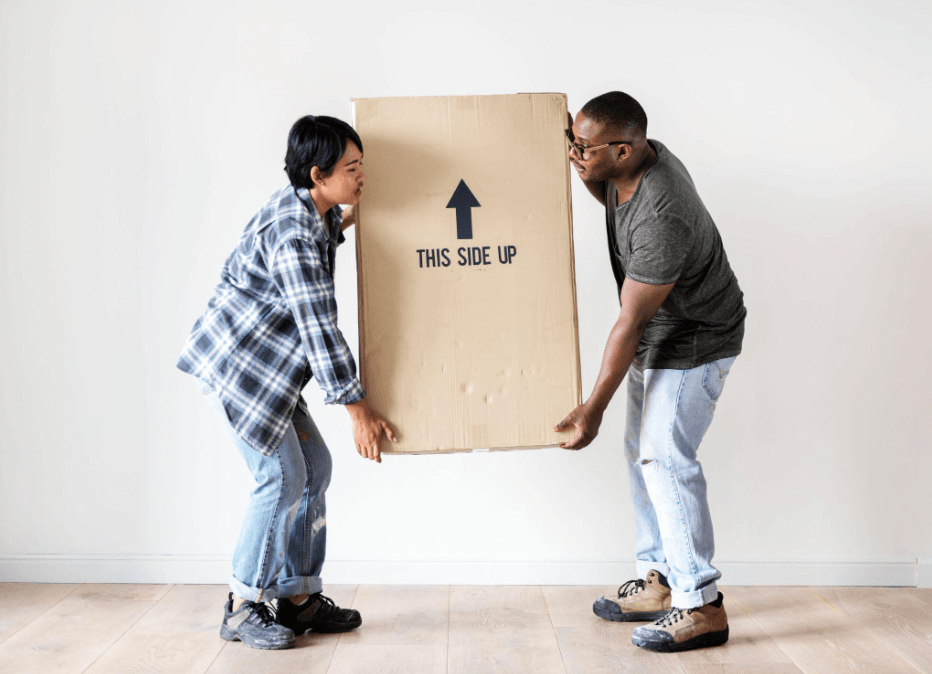
Moving a washing machine solo is never a good idea. At minimum, you need two people, an appliance dolly with securing straps, and enough space to manoeuvre through doorways and down any steps. Measure your machine’s dimensions beforehand and compare them against every doorway, corridor, and staircase on the route — a kitchen move calculator can help you account for multiple large appliances during this planning phase, so you tackle the logistics systematically rather than as an afterthought.
For complete peace of mind, entrusting the job to professionals is always the smarter call. Butlers Removal & Storage has extensive experience handling bulky appliances and household items of all sizes. Their team arrives equipped with the right tools, protective materials, and the know-how to move your washing machine safely from door to door — so you can focus on everything else that comes with moving day.
After the Move: Getting Your Machine Running Again
Once your washing machine is in place at your new home, work through this quick checklist before switching it on:
- Remove the transit bolts first — running the machine with bolts in place will cause violent vibration and internal damage.
- Reconnect the inlet hoses to the water supply and check every connection for leaks.
- Attach the drain hose securely to the standpipe or sink outlet.
- Check the machine is level — adjust the feet as needed to prevent excessive vibration during the spin cycle.
- Plug in, run a short empty test cycle, and listen for anything unusual before loading your first wash.
The Bottom Line
Preparing your washing machine for a move takes a bit of time and attention, but the effort pays off completely. Clean it, drain it, fit the transit bolts, wrap it well, and move it upright with the right equipment. Use a move calculator early in your planning to get a realistic picture of your full appliance move, and when you’re ready to hand the heavy lifting to the experts, Butlers Removal & Storage is the team to call. With the right preparation and the right people, your washing machine will be ready for its first load before you’ve even unpacked the kettle.