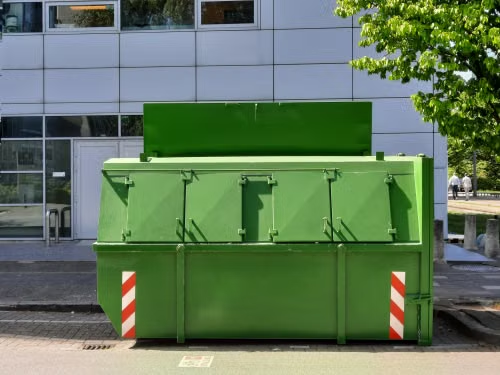
When a company decides to empty a huge property, the first thing that comes to mind is how to manage the huge volume of waste effectively. Rubbish may accumulate, slow operations, and even raise costs without proper planning. A commercial roll-off dumpster is one of the most viable solutions. These dumpsters are designed to handle large volumes of waste and can save a business time and effort during a cleanout.
It is also important to select the appropriate provider. RMS Dumpsters & Services LLC has a reputation for providing versatile solutions that can accommodate different business requirements. From construction debris to old office equipment, reliable dumpster service ensures all waste is handled properly. When waste disposal is done in accordance with the right standards, businesses can save the hassle of paying fines and other regulatory problems that may arise unexpectedly.
Understanding Your Waste Volume
It is imperative to estimate the quantity of waste before ordering a dumpster. As an example, when a company is refurbishing a whole floor or emptying storage space, the volume may grow quickly. One of the most common errors is underestimating the size, which results in multiple pickups and additional expenses. A commercial roll-off dumpster allows bulk waste to be transported in one delivery, minimizing the impact on business operations.
See also: Possum Removal Northern Beaches – Licensed & Humane Wildlife Control Experts
Planning the Drop-Off Location
Another important consideration is where the dumpster will be located. It must be easy for loading staff to access but not obstruct traffic or emergency exits. Other companies do not bother to inquire with the local authorities regarding the permits to place dumpsters on their premises, and this may result in fines. Planning the placement will allow the businesses to have a cleanout without any unforeseen disruptions.
Scheduling and Timing
When it comes to organizing a property cleanout, timing is everything. Dumpsters are supposed to come when employees are prepared to put garbage in them to prevent wasting time. Planning around peak business hours is important to minimize disruption. A commercial roll-off dumpster can be used effectively by planning the deliveries, which will make the whole cleanout process quicker and more affordable.
Segregating Materials
Not all waste is the same. Some can be recycled, and others require special disposal. Before placing materials in the dumpster, businesses are advised to separate them into categories such as metals, paper, plastics, and hazardous materials. These decisions can be informed by the fundamental concepts of waste hierarchy, which will help ensure environmental compliance and potential cost savings. Adequate segregation also contributes to the optimum utilization of the dumpster without overloading it.
Considering Weight Limits
Each dumpster has a weight capacity, and surpassing it may lead to extra charges or hazards. Concrete, bricks, or machinery are heavy and should be taken into consideration. Density calculations can be used to know the amount of material that a dumpster can safely carry. Weight distribution planning will help ensure the dumpster is loaded effectively, preventing accidents and possible damage to vehicles during transportation.
Safety Measures for Staff
Staff safety is the most important during a large cleanout. When working with sharp or heavy objects, it is required to wear protective gloves, helmets, and high-visibility clothing. Injuries should be avoided by using proper lifting techniques. A strategically positioned commercial roll-off dumpster will enable employees to dump waste fast without having to climb piles, which will minimize accidents.
Compliance with Regulations
Commercial properties often have specific waste disposal regulations. Failure to adhere to them may lead to fines or prosecution. Companies ought to get acquainted with local regulations and make sure that the dumpster service provider adheres to the correct disposal procedures. It can also be beneficial to have documentation available in case the authorities inspect the property during or after the cleanout.
Maximising Efficiency
Businesses ought to develop a comprehensive plan to maximize the cleanout. The process can be facilitated by assigning particular areas to teams, arranging regular dumpster pickups (where needed), and maintaining a log of materials. With proper planning, a commercial roll-off dumpster becomes more than just a container; it becomes an integral tool in the cleanout strategy.
Conclusion
Businesses can be overwhelmed by large property cleanouts, but planning makes it manageable. Whether it is the calculation of waste volume and delivery schedule or the separation of materials and the safety of the staff, each step counts. A commercial roll-off dumpster is an invaluable tool that assists companies in accomplishing their cleanouts effectively, safely, and within the regulations. By preparing properly, companies can transform a daunting task into a well-organised operation, saving both time and money.