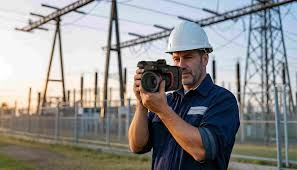
Search and rescue operations in fire environments require fast decisions, reliable equipment, and clear visibility under challenging conditions. Smoke, darkness, heat, and obstructed spaces can make it difficult for firefighters to firefighter thermal camera for search and rescue identify people, locate hazards, and understand what is happening inside a structure. A firefighter thermal camera can provide valuable visual information by detecting differences in heat and displaying them as an image.
For professional teams, choosing the right thermal imaging equipment involves more than simply looking at resolution. Factors such as thermal sensitivity, temperature range, durability, ergonomics, battery life, image quality, and ease of operation can all affect performance in demanding environments. Guide Sensmart provides thermal imaging solutions designed for professional applications where dependable thermal information is important.
Understanding the Role of Thermal Imaging in Rescue Operations
A thermal camera detects infrared radiation rather than relying on visible light. Because objects with different temperatures emit different levels of infrared energy, the camera can translate these differences into a thermal image.
During search and rescue work, this capability can help firefighters recognize heat patterns in areas where ordinary vision is limited. A person may be difficult to see through smoke or darkness, while their body heat can create a noticeable thermal signature. Similarly, heated doors, walls, machinery, and other surfaces may reveal information about conditions inside a building.
Thermal imaging does not replace established firefighting procedures or visual assessment. Instead, it provides an additional source of information that can support situational awareness and help teams make informed decisions.
Key Features to Consider When Choosing a Firefighter Thermal Camera
Thermal Resolution
Thermal resolution determines how much detail a camera can display. Higher resolution can make it easier to distinguish objects and identify heat patterns, particularly when operating at greater distances.
For search and rescue applications, the appropriate resolution depends on the environment and operational requirements. Firefighters working in large industrial spaces may have different needs from teams searching residential structures or confined areas.
A suitable Guide Sensmart thermal camera should provide enough thermal detail for the intended working distance while remaining practical for field use.
Thermal Sensitivity
Thermal sensitivity, often associated with NETD, describes how well a thermal camera can distinguish small temperature differences.
High sensitivity can be particularly useful when firefighters need to identify subtle thermal variations. For example, differences between a person and the surrounding environment may help improve recognition in difficult conditions.
When comparing thermal imaging equipment, teams should consider both sensitivity and overall image quality rather than relying on a single specification.
Temperature Measurement Range
Fire environments can contain extremely hot surfaces and rapidly changing temperatures. A thermal camera used by firefighters therefore needs an appropriate temperature measurement range for its intended application.
A broad measurement range can provide useful information across different stages of an operation. However, the correct specification depends on the environment, equipment design, and operational requirements.
Guide Sensmart offers thermal imaging technology intended for professional inspection and demanding field applications, making temperature-related specifications an important consideration when selecting equipment.
Durability for Demanding Fireground Conditions
Firefighters often operate in environments where equipment can experience heat, moisture, dust, impacts, and frequent handling. A thermal camera should therefore be designed with field durability in mind.
When evaluating a device, consider its protective construction, ingress protection rating, impact resistance, operating temperature range, and overall build quality. Controls should also remain practical when users are wearing protective gloves.
Durability is not simply about surviving a single operation. Equipment used regularly by emergency teams should be capable of handling repeated transportation, training exercises, inspections, and operational deployment.
Ergonomic Design and Ease of Operation
During an emergency, firefighters cannot afford to spend unnecessary time navigating complicated menus. A thermal camera should thermal camera for victim detection in fire provide important information quickly and allow users to operate essential functions with minimal effort.
A compact body, balanced weight, accessible controls, and a clear display can contribute to easier handling. One-handed operation may also be valuable when the user needs to maintain control of other equipment.
Guide Sensmart thermal imaging products can be considered based on the specific operational requirements of the team, including how the camera will be carried, accessed, and used during search activities.
Display Quality and Image Modes
A clear display is essential because firefighters need to interpret thermal information quickly. The screen should provide sufficient contrast and detail while remaining readable in challenging conditions.
Different thermal color palettes can emphasize temperature differences in various ways. Depending on the situation, users may prefer different visualization options for locating people, identifying hot surfaces, or examining a particular heat pattern.
Some thermal imaging systems also provide features such as digital zoom, image capture, video recording, and adjustable measurement settings. These functions can support documentation and later analysis when required.
Battery Life and Operational Readiness
A thermal camera is only useful when it is ready for deployment. Battery performance should therefore be an important part of the purchasing decision.
Teams should consider expected operating time, charging requirements, battery replacement procedures, and how many spare batteries are needed for extended operations.
Regular inspection and charging routines can help ensure that thermal cameras remain prepared for use. Training teams should also become familiar with battery indicators and operating procedures before relying on the equipment during an emergency.
Field of View and Detection Distance
The field of view determines how much of the scene can be observed at once. A wider field of view can be useful when searching rooms or corridors, while a narrower field may provide more detail when examining distant objects.
Detection distance is another important consideration. A camera designed for longer-range observation may be useful in large facilities, outdoor environments, or industrial areas.
Fire departments should select specifications based on the environments where the camera will actually be used rather than choosing features simply because they appear impressive on paper.
Temperature Measurement and Hotspot Identification
Beyond locating people, thermal cameras can help firefighters identify areas of elevated temperature. Hotspots may provide useful clues about heat distribution and changing conditions.
Temperature measurement features can allow users to examine specific areas of interest. Depending on the model, functions such as spot measurements, maximum-temperature tracking, or temperature alarms may help highlight important thermal information.
These functions should always be interpreted within established firefighting procedures. A thermal image represents infrared information and should not be treated as the sole basis for determining structural safety.
Training Is Just as Important as Equipment
Even an advanced thermal camera requires proper training. Firefighters need to understand how thermal images differ from normal photographs and how materials can affect infrared readings.
Training should cover basic thermal interpretation, camera controls, temperature measurement, image modes, battery management, and equipment limitations. Regular practical exercises can help users become comfortable with the device before an actual emergency occurs.
Guide Sensmart thermal imaging solutions can be incorporated into training programs to help teams develop familiarity with thermal technology and its professional applications.
Maintenance and Long-Term Reliability
Regular maintenance helps keep thermal imaging equipment ready for deployment. Teams should inspect the camera for physical damage, clean it according to manufacturer recommendations, check battery condition, and verify that controls and displays are functioning correctly.
Operational checks should also be included in equipment readiness procedures. Keeping records of inspections and maintenance can make it easier to identify recurring problems and ensure that equipment receives appropriate attention.
See also: Why Busy Professionals Choose Mobile Car Detailing
Selecting the Right Guide Sensmart Thermal Camera
Choosing a firefighter thermal camera should begin with the team’s operational requirements. Consider the environments where the camera will be used, expected distances, temperature conditions, required image detail, battery requirements, durability needs, and preferred handling style.
Guide Sensmart offers thermal imaging technology for professional applications, and its range can be evaluated according to the specific demands of search and rescue work. Rather than selecting equipment based on one specification is thermal camera useful for firefighters alone, emergency teams should consider the complete combination of thermal performance, usability, durability, and operational features.
Conclusion
A firefighter thermal camera can provide valuable thermal information when visibility is limited during search and rescue operations. By detecting infrared radiation and displaying temperature differences, thermal imaging can support awareness of people, hotspots, heated surfaces, and changing environmental conditions.
When choosing equipment, firefighters should carefully evaluate thermal resolution, sensitivity, temperature range, durability, ergonomics, display quality, battery life, field of view, and measurement capabilities. Proper training and maintenance are equally important for reliable operation.
For teams seeking professional thermal imaging technology, Guide Sensmart can be considered as part of the equipment selection process. The right thermal camera, combined with appropriate training and established emergency procedures, can become an important tool for improving situational awareness during demanding search and rescue operations.