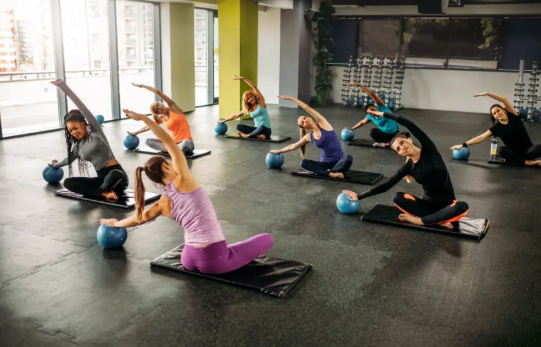
Pilates has become a popular form of exercise worldwide, valued for its ability to improve strength, flexibility, and posture. Central to many Pilates routines is the use of a pilates mat, which provides a versatile foundation for performing various exercises. Understanding the benefits of using a pilates mat can enhance one’s practice and contribute to overall fitness and well-being.
What is a Pilates Mat?
A pilates mat is a specialised exercise mat designed to support and cushion the body during Pilates workouts. Unlike standard yoga mats, pilates mats are typically thicker to provide extra padding, essential for protecting joints and maintaining comfort during floor exercises. They measure wider and longer than conventional mats, accommodating a range of positions and movements specific to Pilates.
See also: Healthy Habits That Can Reduce Lifestyle Diseases
Support and Cushioning
One of the primary advantages of using a pilates mat is the cushioning it provides. Many Pilates exercises involve lying down, sitting, or kneeling, which can place pressure on the spine, hips, and knees. A thick, high-quality mat helps distribute body weight evenly, reducing discomfort and the risk of injury. This cushioning support allows practitioners to focus on executing movements correctly without distraction.
Improving Stability and Balance
Although Pilates emphasises controlled and precise movements, stability plays a major role in effectively performing the exercises. The texture of a pilates mat offers grip and traction, preventing slipping during workouts. This stable surface promotes better balance, making exercises both safer and more effective. A non-slip mat is particularly important when practising standing Pilates exercises or transitions between positions.
Enhancing Muscle Engagement
Pilates focuses on activating the deep core muscles to improve posture and strength. Using a pilates mat encourages greater muscle engagement by allowing the body to maintain proper alignment and form. The firm yet cushioned surface supports alignment and spinal positioning, enabling practitioners to isolate and target specific muscle groups more efficiently.
Versatility for Various Exercises
A pilates mat accommodates a wide range of exercises, from mat-based Pilates routines to complementary stretches and breathing techniques. Its portability allows users to practice anywhere, whether at home, in a studio, or outdoors. This versatility makes it an essential tool for anyone committed to maintaining a regular Pilates practice.
Protecting the Body During Workouts
Without adequate cushioning, repeated contact with hard floors can lead to bruises or joint strain. A dedicated pilates mat provides the necessary protection, particularly for sensitive areas such as the tailbone and elbows. Over time, this protective function helps prevent overuse injuries and supports sustainable practice, especially for beginners who are still developing their technique.
Supporting Beginners and Advanced Practitioners
Both beginners and seasoned Pilates practitioners benefit from using a high-quality pilates mat. For beginners, it offers a comfortable surface that alleviates common discomforts associated with mastering new movements. For advanced users, the mat serves as a reliable base that supports complex sequences requiring balance and control.
Promoting Proper Hygiene and Personal Space
Practising Pilates on a personal mat ensures a clean and designated exercise space. This hygiene aspect is particularly important when exercising in shared or public areas. A pilates mat can be easily cleaned after each session to prevent the buildup of sweat and bacteria, supporting health and well-being.
Encouraging Consistency in Exercise Routines
Using a pilates mat helps establish a dedicated workout space, which can encourage regular practice. The presence of a personal mat often serves as a reminder and motivator to maintain an exercise schedule. Consistency is crucial in Pilates to reap the benefits of improved flexibility, strength, and posture over time.
Choosing the Right Pilates Mat
Selecting a suitable pilates mat involves considering factors such as thickness, material, and size. Mats too thin may not provide adequate cushioning, while excessively thick mats might reduce stability. Most pilates mats range from 10 to 15 millimetres in thickness, striking a balance between comfort and firmness. Additionally, choosing eco-friendly and durable materials ensures longevity and environmental responsibility.
Portability and Storage
A pilates mat’s lightweight and rollable or foldable design make it easy to transport and store. This convenience is advantageous for those attending classes or travelling. Selecting a mat that comes with a carrying strap or bag can further enhance portability and encourage frequent use.
Conclusion
The benefits of using a pilates mat extend beyond mere comfort. It plays a vital role in providing cushioning and support, enhancing stability, and encouraging proper muscle engagement during Pilates routines. Whether practising at home, in a studio, or elsewhere, a dedicated pilates mat helps protect the body, promote hygienic conditions, and foster consistency in exercise. Investing in a quality pilates mat can significantly improve the quality of Pilates practice and contribute to achieving desired fitness outcomes.