Selecting a manufacturer specifically for turn-mill work requires evaluating capabilities beyond what general machining shop comparisons typically cover. This guide focuses on what matters most for this specific manufacturing capability.
Understanding What Turn-Mill Equipment Actually Enables
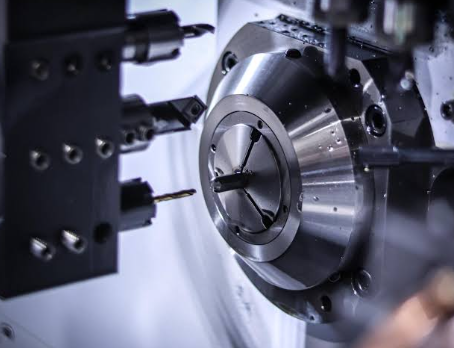
True turn-mill machines combine live tooling, multiple spindles, and simultaneous multi-axis motion, enabling complex parts with both turned and milled features to be completed in dramatically fewer setups than conventional sequential processing.
See also: Healthy Habits That Can Reduce Lifestyle Diseases
Key Evaluation Criteria for Turn-Mill Manufacturers
Equipment Sophistication
Confirming the specific turn-mill machine models and their axis and spindle configuration helps assess whether a manufacturer’s equipment genuinely matches your part’s complexity requirements.
Programming Expertise for Complex Toolpaths
Turn-mill programming is considerably more complex than programming either process independently, making a manufacturer’s demonstrated programming expertise a critical evaluation factor.
Track Record With Comparable Part Complexity
Requesting examples or references from projects involving genuinely comparable part complexity offers more meaningful insight than general turn-mill capability claims alone.
Why This Manufacturing Approach Often Justifies Premium Pricing
Given the equipment investment and specialized programming expertise required, turn-mill manufacturing often commands a price premium over conventional sequential processing, though this frequently proves worthwhile through improved accuracy and reduced overall production time for genuinely complex parts.
For a closer look at available turn-mill manufacturing capabilities, cnc turn mill manufacturer offers additional technical detail worth reviewing.
Frequently Asked Questions
Is turn-mill manufacturing always worth the typical price premium over sequential processing? For genuinely complex combined-feature parts, the accuracy and efficiency gains often justify the premium, though simpler parts may not require this level of process sophistication.
What should buyers look for beyond simply confirming a shop owns turn-mill equipment? Demonstrated programming expertise and track record with comparably complex parts matter as much as, or more than, simply owning appropriate equipment.
How does turn-mill programming complexity compare to standard milling or turning programming? It’s considerably more complex, requiring genuine expertise in coordinating simultaneous multi-axis motion across combined turning and milling operations.
Final Thoughts
Choosing a genuinely capable CNC turn-mill manufacturer requires evaluating equipment sophistication, programming expertise, and demonstrated track record together. This focused evaluation helps ensure successful outcomes for your most complex combined-feature parts.