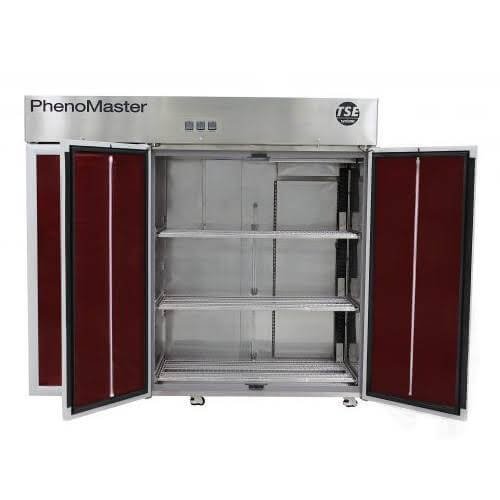
Some testing needs call for sustained, unwavering environmental conditions over extended periods, and this is precisely where constant climate chambers prove essential. This guide explores their role in long-term stability testing.
What Sets Constant Climate Chambers Apart
Unlike chambers designed for cycling between different conditions, constant climate chambers are engineered to maintain a single, precise temperature and humidity setpoint reliably over extended durations, sometimes spanning months.
See Also:How Arizona Businesses Can Attract More Local Customers
Common Applications for Constant Conditions
Pharmaceutical Stability Testing
Long-term drug stability studies often require sustained, precise environmental conditions over many months to evaluate shelf life and degradation patterns accurately.
Material Aging Studies
Evaluating how materials age under consistent, real-world-representative conditions over extended periods benefits from the steady environment a constant climate chamber provides.
Electronic Component Reliability Testing
Long-duration reliability testing for electronic components often requires sustained environmental exposure to properly evaluate long-term performance and failure modes.
Key Features That Matter for Long-Term Testing
Precise setpoint stability over time, minimal temperature and humidity drift, and reliable continuous operation without frequent maintenance interruption are all critical features for equipment intended for extended testing periods.
For a closer look at chamber equipment designed for sustained, precise environmental control, LIB Industry constant climate chambers offers additional technical detail worth reviewing.
Planning for Extended Test Durations
Running tests over months rather than days requires careful planning around chamber reliability, backup power considerations, and monitoring protocols to ensure a long investment of time isn’t compromised by equipment failure partway through.
Balancing Energy Costs Over Long Test Periods
Since constant climate chambers may run continuously for extended periods, energy efficiency becomes a meaningful cost consideration worth factoring into both equipment selection and ongoing operational budgeting.
Frequently Asked Questions
How long can a constant climate chamber reliably maintain conditions without drift? Quality chambers are designed to maintain precise setpoints reliably over months, though periodic calibration verification remains important throughout extended testing periods.
Why do pharmaceutical stability studies require such long testing durations? Because degradation patterns relevant to shelf-life determination often only become apparent over extended timeframes reflecting real-world storage conditions.
What happens if a constant climate chamber experiences a power interruption? This depends on chamber design; some models include backup systems or alerts, making this a worthwhile consideration when selecting equipment for critical long-term testing.
Final Thoughts
Constant climate chambers fill an essential role for testing needs that depend on sustained, unwavering environmental conditions over extended periods. Choosing reliable equipment for this purpose protects the integrity of long-term studies that often can’t simply be restarted if something goes wrong.