Construction projects often involve moving and positioning materials that weigh hundreds or even thousands of kilograms.
From steel beams and concrete panels to machinery and prefabricated building components, heavy loads are a routine part of modern construction. While these tasks are essential to project progress, they also present significant safety risks if not managed correctly.
To protect workers, equipment, and structures, construction teams rely on careful planning, specialized equipment, and strict safety procedures. Effective heavy-load management not only prevents accidents but also improves efficiency and keeps projects on schedule.
Planning every lift before it happens
Safe heavy-load handling begins long before any material leaves the ground. Construction teams conduct detailed planning to determine how loads will be moved, where they will be placed, and which equipment will be used.
This planning process includes assessing the weight and dimensions of the load, identifying potential hazards, evaluating ground conditions, and establishing safe travel routes. Teams also review site layouts to ensure there is adequate space for lifting equipment to operate safely.
For particularly complex lifts, engineers and lifting specialists may develop a formal lift plan that outlines every stage of the operation. These plans help ensure that all personnel understand their roles and that potential risks are addressed before work begins.
Using the right equipment
Choosing appropriate equipment is one of the most important factors in managing heavy loads safely. Construction sites use a variety of machinery depending on the size and nature of the material being moved.
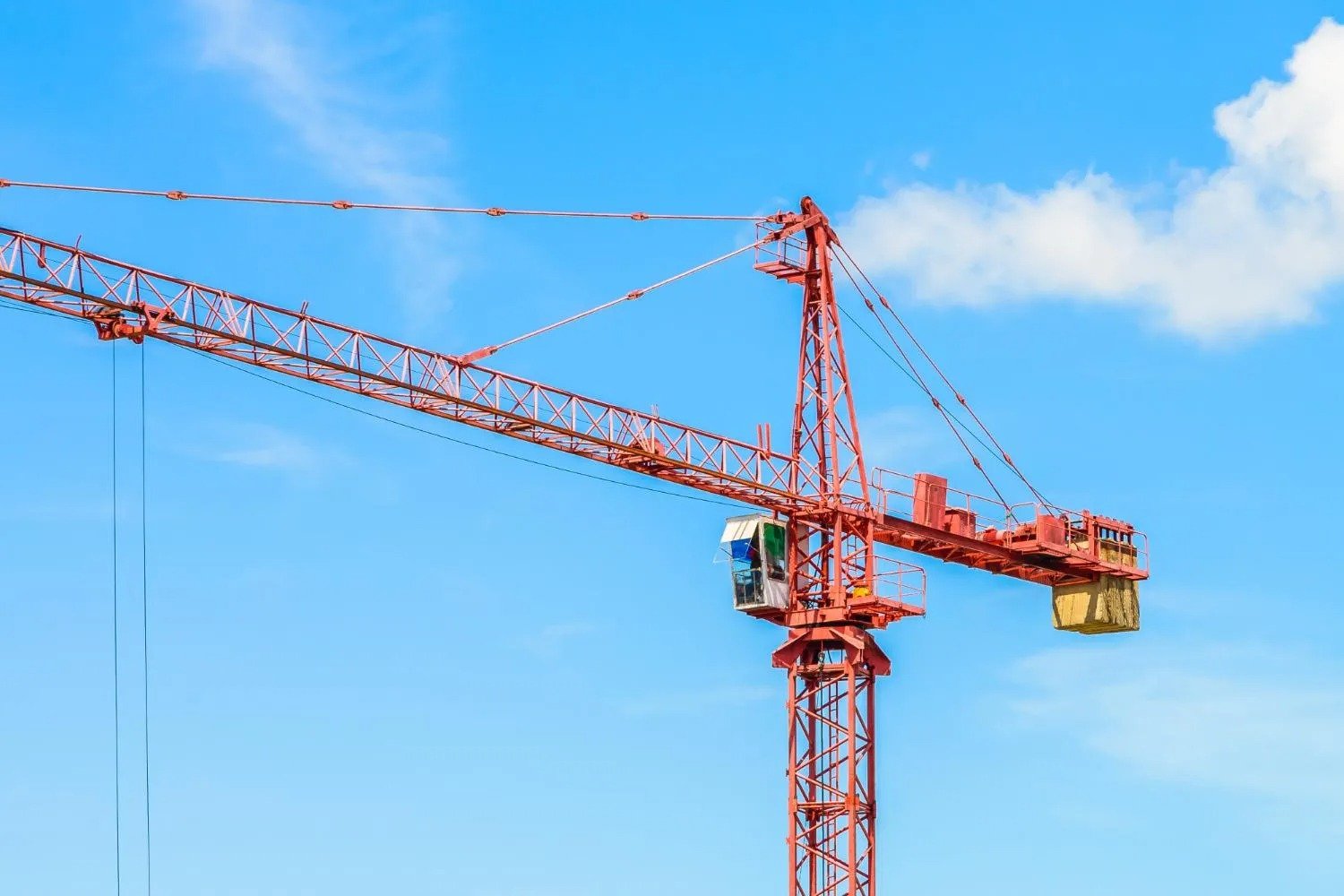
Common equipment includes mobile cranes, tower cranes, forklifts, telehandlers, hoists, and excavators with lifting attachments.
Each piece of equipment has specific load limits and operational requirements. Exceeding these limits can create dangerous situations that put workers and property at risk.
Before any lift takes place, operators verify that the equipment has sufficient capacity to handle the load while accounting for factors such as lifting height, boom extension, and site conditions.
Maintaining stable ground conditions
Ground stability plays a critical role in safe lifting operations. Even the most advanced equipment can become unsafe if it is positioned on unstable or uneven surfaces.
Construction teams carefully inspect the ground where lifting equipment will be placed. Soil conditions, drainage, underground utilities, and recent excavation work are all evaluated before heavy machinery is deployed.
For crane operations, proper setup is especially important. Crane outrigger pads must be positioned on stable, load-bearing surfaces to distribute weight evenly and maintain balance during lifting activities.
In some cases, teams use outrigger pads or engineered support systems to improve stability and reduce ground pressure.
Conducting equipment inspections
Regular inspections are essential for ensuring that lifting equipment remains safe and reliable. Before each shift, operators typically perform pre-operational checks to identify signs of wear, damage, or mechanical issues.
Inspection procedures may include examining cables and chains, hooks and lifting attachments, hydraulic systems, brakes and controls, tires or tracks, as well as safety devices and warning systems.
If any problems are discovered, the equipment is removed from service until repairs are completed. Preventive maintenance programs also help reduce the likelihood of unexpected failures during critical lifting operations.
Training and communication
Well-trained workers are one of the most effective defenses against lifting accidents. Construction companies invest heavily in training programs that teach employees how to handle heavy loads safely and follow established procedures.
Operators must understand equipment limitations, load charts, signaling methods, and emergency protocols. Rigging personnel receive specialized training in securing loads and selecting appropriate lifting gear.
Clear communication is equally important. Construction teams often use hand signals, two-way radios, or designated signal persons to coordinate lifting activities. Effective communication ensures that everyone involved understands the movement of the load and can respond quickly if conditions change.
See also: Why Businesses Are Turning Scrap Metal Into A Revenue Stream Instead Of A Disposal Problem
Securing loads properly
A heavy load is only as safe as the rigging system used to lift it. Construction teams carefully select slings, chains, hooks, and other lifting accessories based on the weight and shape of the material being moved.
Loads must be balanced correctly to prevent shifting, swinging, or rotation during lifting. Improperly secured materials can become unstable, creating hazards for workers and nearby structures.
Before a lift begins, rigging components are inspected to ensure they are in good condition and capable of supporting the intended load. Any damaged or worn equipment is replaced immediately.
Monitoring weather conditions
Weather can significantly affect lifting operations. High winds, heavy rain, lightning, and poor visibility can all increase the risks associated with moving heavy materials.
Construction teams continuously monitor weather forecasts and site conditions before and during lifting activities. If conditions become unsafe, work may be postponed until the environment improves.
This proactive approach helps prevent accidents and protects both workers and equipment from avoidable risks.
Conclusion
Managing heavy loads safely requires a combination of planning, training, equipment maintenance, and constant attention to site conditions.
Construction teams must evaluate every aspect of a lifting operation, from ground stability and equipment selection to communication and weather monitoring.
By following established safety procedures and using the right tools for the job, c