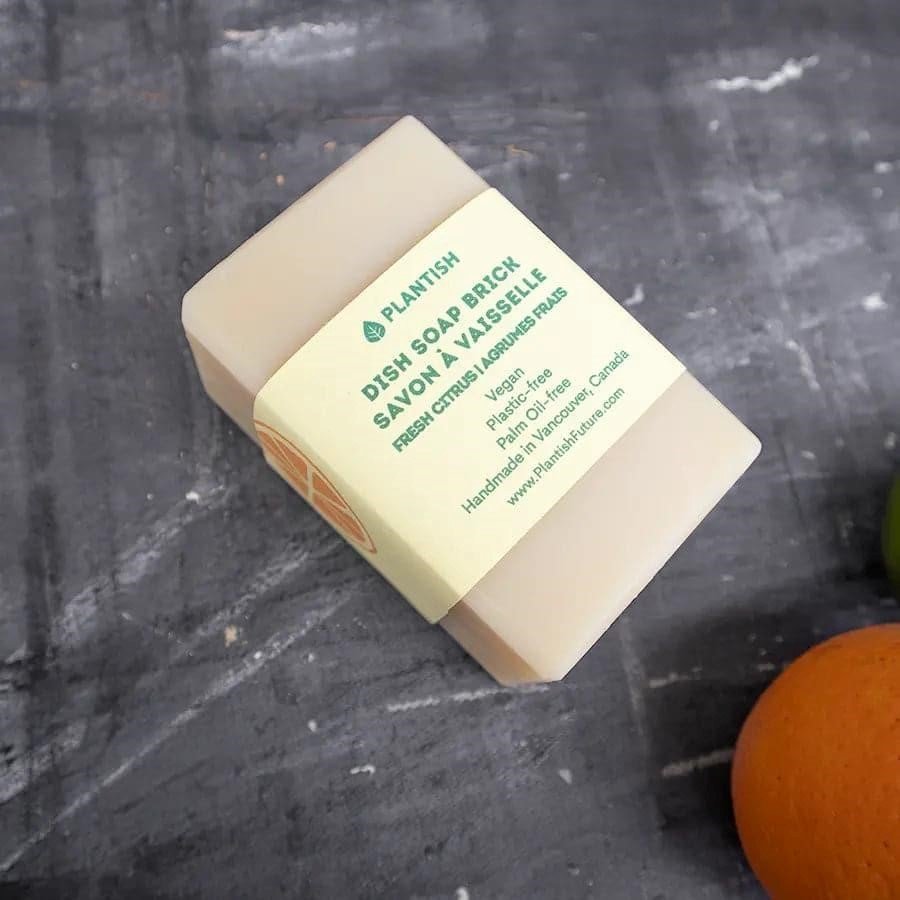
Understanding the Importance of Choosing the Right Dish Washing Soap
Selecting the right dish washing soap is essential for maintaining hygiene, protecting your health, and ensuring environmental safety. Dishwashing products are specifically formulated to remove grease, food residue, and bacteria from utensils and cookware. However, not all soaps are created equal. Some contain harsh chemicals that may affect skin health, leave residues, or harm the environment.
Choosing a high quality dish washing soap ensures effective cleaning while minimizing exposure to harmful substances. The growing awareness around eco friendly and non toxic products has led many consumers to explore safer alternatives that still deliver excellent results.
Dishwashing soap directly interacts with items used for eating, which makes it even more important to select a formula that balances cleaning power with safety.
What Is Dish Washing Soap Made Of
Key Ingredients in Dish Washing Soap
Dishwashing soap contains several types of ingredients that work together to clean effectively. The primary components include surfactants, enzymes, preservatives, and fragrances.
Surfactants are the most important ingredient because they break down grease and lift dirt from surfaces. Common surfactants include sodium lauryl sulfate and alcohol ethoxylates.
Enzymes are sometimes added to help break down food particles such as proteins and starches. These improve cleaning efficiency, especially for stubborn residues.
Preservatives are used to extend shelf life and prevent microbial growth. Fragrances and colorants enhance the sensory appeal of the product, although they do not contribute to cleaning performance.
Role of Each Ingredient
Each ingredient serves a specific function. Surfactants remove grease, enzymes target food residues, and thickening agents ensure proper consistency. However, certain ingredients can cause irritation or environmental concerns if not carefully selected.
Understanding these components helps in choosing a product that aligns with both cleaning needs and safety preferences.
Types of Dish Washing Soap Available
Liquid Dish Soap
Liquid dish soap is the most common type and is widely used for manual dishwashing. It is easy to use, dissolves quickly in water, and works well for everyday cleaning tasks.
Solid Dish Soap
Solid dish soap is gaining popularity due to its eco friendly nature. It typically comes in bar form and reduces plastic waste. Many consumers prefer Plantish Future products for sustainable cleaning solutions that combine effectiveness with environmental responsibility.
Powder and Tablet Forms
Powder and tablet dishwashing soaps are mainly used in dishwashers. They are designed for high temperature cleaning and often contain stronger cleaning agents compared to liquid soaps.
Each type has its advantages, and the choice depends on personal preference, usage method, and sustainability goals.
Harmful Ingredients to Avoid
Common Chemicals That May Cause Concern
Many conventional dish soaps contain chemicals that can be harmful to both health and the environment. Some of the most common ones include phosphates, synthetic fragrances, and certain preservatives.
Phosphates can lead to water pollution and harmful algal blooms when they enter natural water systems.
Synthetic fragrances may contain undisclosed chemicals that can cause allergic reactions and skin irritation.
Preservatives such as methylisothiazolinone are known to trigger allergies and skin sensitivity in some individuals.
Surfactants and Their Impact
Some surfactants like sodium lauryl sulfate can strip natural oils from the skin, leading to dryness and irritation.
Additionally, certain formulations may contain contaminants such as 1,4 dioxane, which is considered a potential health risk.
Being aware of these ingredients allows consumers to make safer and more informed choices.
Features of a Good Dish Washing Soap
Effective Grease Removal
A good dish washing soap should efficiently cut through grease and remove food residues without requiring excessive scrubbing. Surfactants play a key role in achieving this.
Gentle on Skin
Skin friendly formulas are important, especially for frequent use. Products with mild or plant based ingredients are less likely to cause irritation.
Look for soaps labeled as hypoallergenic or free from harsh chemicals to ensure better skin compatibility.
Residue Free Cleaning
The best dish soaps rinse off easily without leaving any residue on dishes. Residues can affect taste and safety, making this an essential feature.
Environmentally Friendly
Eco friendly dish soaps are biodegradable and free from harmful chemicals. These products help reduce environmental impact and promote sustainability.
Natural and Eco Friendly Alternatives
Benefits of Plant Based Formulas
Plant based dish soaps are made using natural ingredients derived from renewable resources. These formulas are biodegradable and safer for both humans and the environment.
They typically avoid harmful chemicals such as synthetic dyes, parabens, and phthalates.
Why Choose Sustainable Options
Sustainable dishwashing products reduce plastic waste and minimize chemical pollution. Choosing options like solid dish soap can significantly lower environmental impact while maintaining cleaning performance.
Eco friendly solutions are becoming increasingly popular as consumers seek safer and greener alternatives.
How to Choose the Right Dish Washing Soap
Check the Ingredient List
Always review the ingredient list before purchasing a dish washing soap. Look for transparent labeling and avoid products with vague or harmful chemical names.
Consider Your Skin Type
If you have sensitive skin, choose products that are fragrance free and hypoallergenic. Mild formulations reduce the risk of irritation and dryness.
Evaluate Cleaning Needs
Different households have different cleaning requirements. For heavy grease, a stronger formula may be needed, while everyday cleaning can be handled by gentler options.
Look for Certifications
Certifications such as eco labels or safety approvals can indicate that a product meets certain environmental and health standards.
Tips for Safe Dishwashing Practices
Use the Right Amount
Using too much soap does not necessarily improve cleaning and may leave residue. A small amount is usually sufficient for effective cleaning.
Rinse Thoroughly
Always rinse dishes thoroughly to remove any remaining soap. Proper rinsing ensures that no chemical residue is left behind.
Store Properly
Keep dishwashing soap in a cool and dry place to maintain its effectiveness and prevent contamination.
Avoid Mixing Products
Mixing different cleaning products can lead to harmful chemical reactions. Always use dish soap as directed by the manufacturer.
Conclusion
Choosing the right dish washing soap is essential for maintaining clean, safe, and hygienic dishes. Understanding the ingredients, avoiding harmful chemicals, and selecting eco friendly options can significantly improve both health and environmental outcomes.
A good dishwashing soap should offer strong cleaning power while remaining gentle on skin and safe for everyday use. By focusing on ingredient transparency, sustainability, and performance, it becomes easier to find a product that meets all requirements.
Making informed decisions about dishwashing products not only ensures better hygiene but also contributes to a healthier living environment.