Free web proxies can be useful when you want to access a website through an intermediary, check how a page appears from another network or avoid exposing your original IP address directly to a destination website. However, not every free proxy offers the same level of reliability, privacy or functionality.
Some services provide a simple browser interface where you enter a website address and start browsing. Others publish lists of individual IP addresses that require manual configuration. There are also differences in connection speeds, supported websites, privacy policies and security measures.
So, what makes a good free proxy? The answer depends on what you intend to do with it. Rather than choosing a service simply because it advertises hundreds of available servers, it is worth examining the features that influence the actual browsing experience.
What Makes a Free Web Proxy Worth Using?
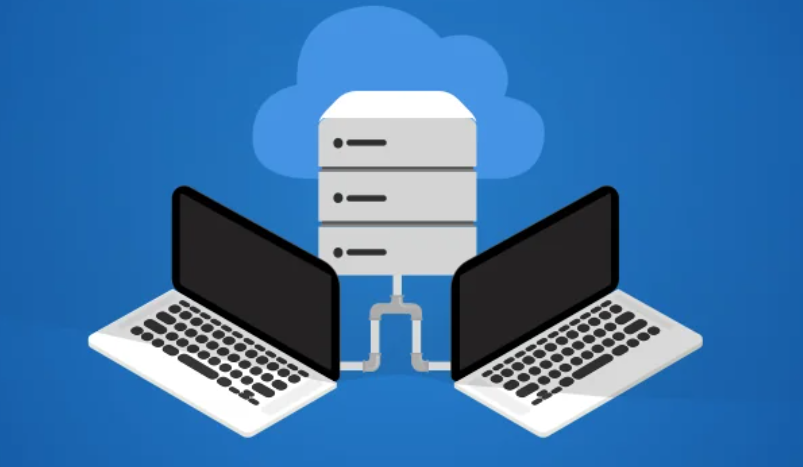
A web proxy acts as an intermediary between your browser and the website you want to visit. Instead of connecting directly to the destination, your request passes through the proxy server, which retrieves the content and sends it back to you.
This arrangement can make the destination website see the proxy server’s outgoing IP address rather than your original public IP address.
The technical concept is described in the Internet Engineering Task Force’s HTTP Semantics specification, RFC 9110, which defines how HTTP proxies receive and forward requests.
However, a proxy is not automatically a privacy solution. The provider operates an important part of the connection, so its technical implementation and data handling practices matter.
A good free web proxy should offer several practical qualities:
- Ease of use: A straightforward interface that does not require complicated network configuration.
- Compatibility: Support for modern websites, scripts, images and other commonly used web resources.
- Connection reliability: Consistent performance without frequent disconnections.
- Privacy transparency: A clear explanation of what information the service collects and retains.
- Security: Appropriate protection for connections between your browser and the proxy service.
- Reasonable limitations: Clearly explained bandwidth, session and usage restrictions.
The most suitable service is not necessarily the one with the largest server list. It is the one that performs the task you need while providing enough transparency to make an informed decision.
Browser Based Proxies vs Public Proxy Lists
One of the first decisions is whether you need a browser based proxy or an individual proxy server address.
Although both approaches can route requests through an intermediary, they serve different purposes.
A browser based proxy allows you to enter a website address into an online interface. The service retrieves the requested page through its infrastructure. You generally do not need to change your operating system’s network settings.
A public proxy list, on the other hand, provides individual IP addresses and ports. You must configure a compatible application or browser to use one of those addresses.
| Feature | Browser based proxy | Public proxy list |
| Setup | Usually enter a website URL | Configure an IP address and port |
| Technical knowledge | Generally minimal | May require networking knowledge |
| Website access | Through a dedicated interface | Depends on application compatibility |
| Server selection | Depends on the service | May offer multiple individual addresses |
| Reliability | Depends on the provider | Individual addresses may frequently become unavailable |
| Best suited for | Everyday website access | Testing and technical configuration |
For someone who simply wants to open a website, a browser based service is usually more convenient. Developers and network administrators may prefer individual addresses when testing specific configurations.
Five Factors to Check Before Choosing a Free Proxy
1. Privacy Policy and Data Handling
Privacy should be one of the first things you examine.
When you use an intermediary, your requests pass through infrastructure operated by another organisation or individual. Depending on its implementation, the operator may be able to process information about your connections.
Look for a privacy policy explaining:
- Whether the service records IP addresses.
- Whether browsing activity is logged.
- How cookies and session information are handled.
- How long connection records are retained.
- Whether information is shared with third parties.
- How users can request information about their data.
A provider that makes broad promises about complete anonymity without explaining its practices should be approached cautiously.
The Electronic Frontier Foundation’s Surveillance Self Defence guidance provides useful information about online privacy, tracking and protecting personal information.
2. Connection Speed and Reliability
A proxy adds another step to the connection process. Your browser communicates with the intermediary, which then communicates with the destination website.
Consequently, performance depends on several factors, including server capacity, network distance, congestion and the number of people using the same infrastructure.
Free public addresses can be particularly unpredictable.
A 2024 research paper presented at the Network and Distributed System Security Symposium, titled Free Proxies Unmasked: A Vulnerability and Longitudinal Analysis of Free Proxy Services, examined more than 640,000 proxies collected from 11 providers over 30 months.
The researchers found that only 34.5% of the collected proxies were active at least once during their testing period. They also identified vulnerabilities and instances of content manipulation.
These findings demonstrate why a large advertised proxy list should not automatically be considered reliable.
3. Website Compatibility
Not every proxy handles websites in the same way.
Simple pages may load without difficulty, while modern websites can rely on JavaScript, dynamic content, video players, WebSockets and other features that some proxy services do not support.
Before choosing a service, consider what you intend to access.
For example:
- Reading ordinary websites generally requires basic page and resource loading.
- Social media platforms may rely on complex scripts and authentication.
- Video websites require support for media delivery.
- Interactive web applications may depend on live connections.
- Some websites block known proxy IP addresses.
A good service should explain its limitations rather than promising that every website will work.
4. Security and Encryption
Encryption is another important consideration.
When visiting an HTTPS website, information exchanged between your browser and the destination is protected by TLS. However, this does not automatically make the proxy operator trustworthy or guarantee that every part of the connection is protected.
You should also distinguish between the connection to the proxy and the connection from the proxy to the destination.
Avoid using unknown public proxies for banking, payment processing or confidential business activity.
The Internet Engineering Task Force’s TLS documentation explains the protocol used to secure communications over networks.
5. Ease of Use and Technical Requirements
A service can have excellent technical features but still be inconvenient for ordinary browsing.
Consider whether you need to:
- Download an application.
- Install a browser extension.
- Register an account.
- Configure individual IP addresses.
- Select a server manually.
- Manage connection settings.
For occasional browsing, simplicity can be a major advantage.
Browser Based Proxy vs VPN: Which Should You Choose?
A proxy and a VPN can both act as intermediaries, but they operate differently.
A browser based proxy generally handles requests made through its interface. A VPN can route traffic from multiple applications through an encrypted connection.
| Consideration | Web proxy | VPN |
| Typical coverage | Websites accessed through the proxy | Traffic routed through the VPN |
| Installation | May require no installation | Usually requires an application or configuration |
| IP masking | For requests routed through the service | For traffic routed through the VPN |
| Encryption | Depends on the service and connection | Encrypts traffic through its tunnel |
| Best suited for | Accessing individual websites | Broader device connection protection |
Neither option guarantees complete anonymity.
A proxy may be sufficient if you only need to access an individual website. A reputable VPN may be more appropriate when you want to protect traffic from multiple applications, particularly when using public Wi Fi.
Mozilla provides a useful explanation of the differences between a VPN and a web proxy.
See Also: The Dubai Door Checklist: Front Doors, Bifolds and Sliding Wardrobes
Which Free Proxy Should You Consider?
There is no single service that is best for every situation. Your choice should depend on whether you need simple website access, manual server configuration or broader network protection.
For everyday browser based access, BrowserProxy is one option worth considering. Its approach is designed around opening websites through a browser interface rather than requiring users to configure individual IP addresses.
You can explore BrowserProxy to learn more about its approach to browser based website access.
If you are still comparing different services, the guide What Is a Free Web Proxy? provides additional information about how these services work, their typical uses and their limitations.
When evaluating any provider, examine its privacy policy, technical features and service restrictions before relying on it.
A Practical Checklist for Choosing a Free Proxy
Use the following checklist when comparing available services.
| Question | Why it matters |
| Does it explain its privacy policy? | Helps you understand data collection and retention |
| Does it support HTTPS websites? | Helps protect connections to destination websites |
| Does it load the websites you need? | Compatibility varies between providers |
| Does it have clearly explained limitations? | Helps avoid unexpected restrictions |
| Is it easy to use? | Reduces configuration and maintenance |
| Does it explain session handling? | Helps you understand how browsing information is managed |
| Is the provider identifiable? | Makes it easier to evaluate accountability |
A few minutes of research can help you avoid unreliable services and unnecessary privacy risks.
Conclusion: Choosing a Free Proxy That Meets Your Needs
A good free proxy should offer more than an alternative IP address. It should provide a convenient browsing experience, reasonable reliability, clear privacy information and compatibility with the websites you want to access.
Browser based services are generally more convenient for occasional website access, while public proxy lists are better suited to users who need individual server addresses for technical testing.
Before choosing a provider, examine how it handles data, whether it supports the websites you use and what limitations apply. Most importantly, do not confuse IP masking with complete anonymity.
The best choice is the service that meets your actual requirements without introducing unnecessary complexity or compromising your online security.